English| EUR
Suggested for you
More currencies
Choose a language
Belgium's capital holds one of Europe's densest concentrations of artisan chocolate makers, many clustered around the city's historic center. Understanding how these shops operate—from entry policies to peak crowds—helps you experience Belgian chocolate culture without the common tourist frustrations.
Quick answer
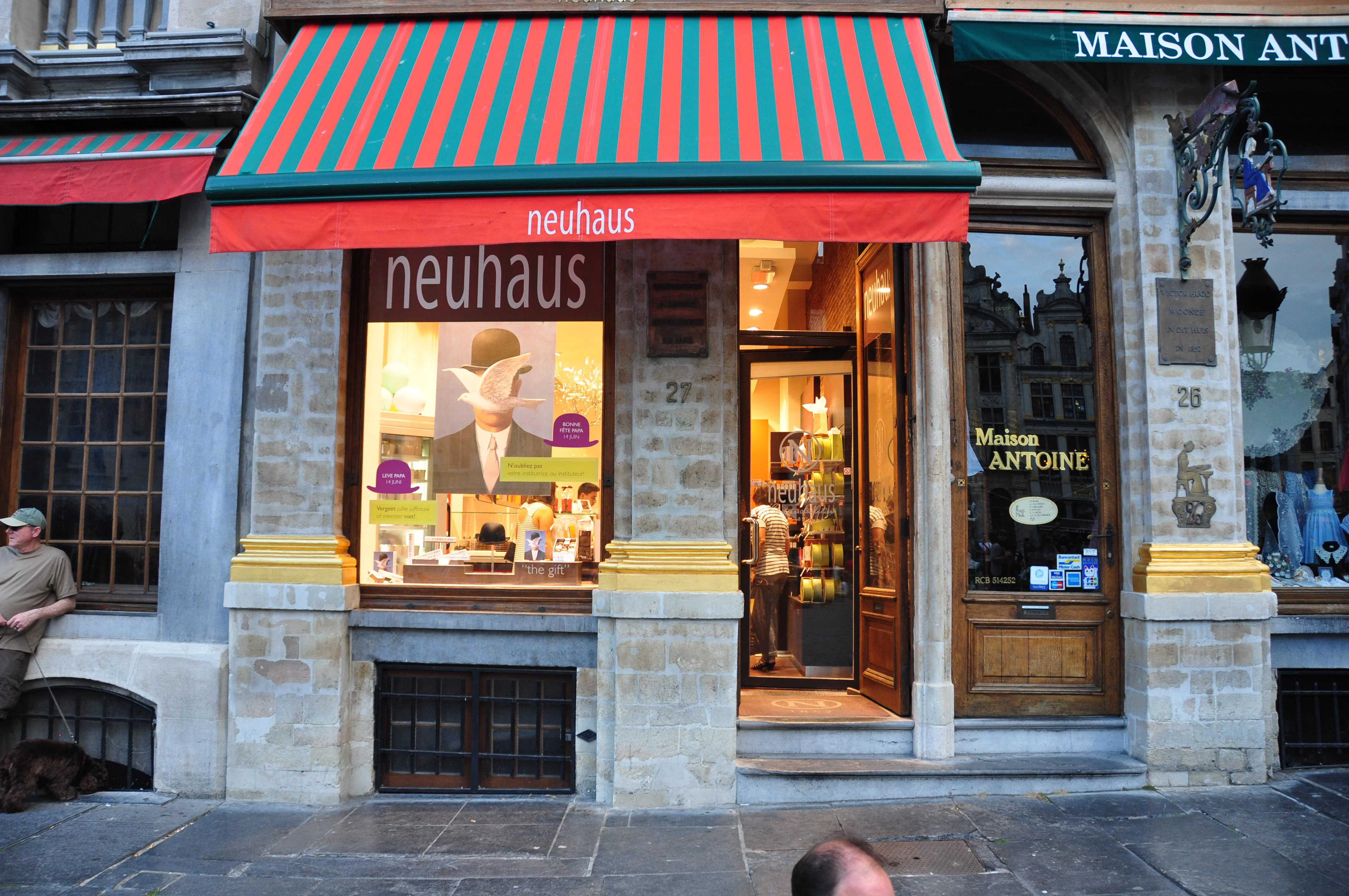
Most Brussels chocolate shops operate daily from 10:00 to 21:00 or 22:00, with free entry and chocolate priced per piece or by weight. Arriving between 10:00 and 12:00 avoids mid-day tour groups that pack the Grand Place location during peak season.
The tradition of the filled chocolate praline was invented in Brussels in 1912, establishing the city as the birthplace of modern Belgian confectionery. Today, that legacy lives through family-run chocolatiers and heritage brands whose shops double as working ateliers, where you can watch tempering and molding through display windows. The shop welcomes visitors without charge, a model shared across Brussels chocolate boutiques: you pay only for what you select. Prices follow weight or individual piece count, with staff assembling custom assortments in signature boxes. Belgian chocolate law mandates minimum cocoa percentages higher than most European standards, and Brussels shops stock both milk and dark variations of pralines, ganaches, and gianduja. The city's chocolate quarter extends beyond Grand Place into the Sablon district and Galeries Royales Saint-Hubert, where smaller maisons occupy nineteenth-century arcades. Each shop maintains its own recipe vault—some formulas unchanged since the 1800s—creating distinct house styles in filling texture and flavor balance. Morning visits yield the calmest experience, particularly at Grand Place addresses where afternoon foot traffic peaks between 13:00 and 16:00. Fridays and Saturdays see extended hours to accommodate evening crowds, though selection remains consistent throughout operating days. Seasonal collections rotate three to four times yearly, with autumn introducing spiced pralines and winter bringing holiday assortments, but core ranges stay available year-round.
“The filled chocolate praline was invented in Brussels in 1912, establishing the city as the birthplace of modern Belgian confectionery.”
To experience chocolate shops with minimal congestion, the best arrival window is 10:00–12:00. Visiting during this time allows you to avoid mid-day tourist crowds at the Grand Place location.
—
Shops are quiet, allowing for personal attention from staff and easier browsing of selections.
Mild, 10°C to 18°C
Spring offers comfortable walking temperatures before the peak heat of summer arrives.
Cool, 9°C to 16°C
The cooler weather is ideal for transporting chocolate without the risk of melting.
Cold, 2°C to 7°C
Holiday markets increase foot traffic, though shops remain well-stocked for seasonal gifting.
Verdict: The concrete best slot for a visit is Tuesday to Thursday, arriving at 10:00, during the months of April or October.
Visiting these chocolate shops requires no admission fee. Costs are determined solely by the specific items or total weight of chocolate selected for purchase.
Navigate Brussels chocolate shops like a local by focusing on product freshness and proper handling.
Belgian chocolates made with fresh cream or butter have a shorter shelf life than those with alcohol-based fillings, so check production dates when purchasing. Consume these selections within two weeks for optimal texture and flavor.
Keep your chocolate in a cool, dry place between 15 and 18 degrees Celsius to prevent blooming. Avoid the refrigerator, as humidity and odors alter the cocoa butter composition.
Staff are often prepared to offer a sample of their signature pralines if asked politely. This allows you to verify flavor profiles before committing to a larger box.
Request an insulated bag if traveling during warmer months to maintain temperature stability. Keep purchases in your carry-on luggage rather than checked bags to avoid temperature fluctuations in the cargo hold.
Look for pralines featuring seasonal ingredients like speculoos or specific fruits, which are rotated regularly by master chocolatiers. These reflect the specific harvest quality of the current period.
Everything you need to know about brussels chocolate shops
A guided Belgian chocolate tour typically provides deeper historical context and expert tasting notes compared to browsing brussels chocolate shops on your own. It allows you to learn about the craftsmanship behind the ganache and cocoa butter creations.
When selecting from various brussels chocolate shops, look for freshness and high-quality cocoa butter content. Authentic pralines should be stored in a cool environment, and staff are often happy to explain the specific flavor profiles of their artisan fillings.
Brussels Chocolate Factory Tours
Read more Tickets & toursBrussels Chocolate Tasting Tour
Read more GuideBrussels Chocolate Tour for Kids
Read more GuideWhy is Chocolate Famous in Belgium
Read more Tickets & toursBrussels Chocolate Tasting
Read more Tickets & toursBrussels Chocolate and Beer Tours
Read more