
2 hr
Choco-Story Brussels Chocolate Museum with Tasting
Journey through cocoa's history from Aztec treasure to Belgian praline with live demos and tastings
Reserve
Hand-picked by our editors — only the best 5 experiences from 47 reviewed.
Verified partners for every tour, free cancellation where available, and instant confirmation on every booking.
2 hr
Journey through cocoa's history from Aztec treasure to Belgian praline with live demos and tastings
Reserve
1 hr 30 min
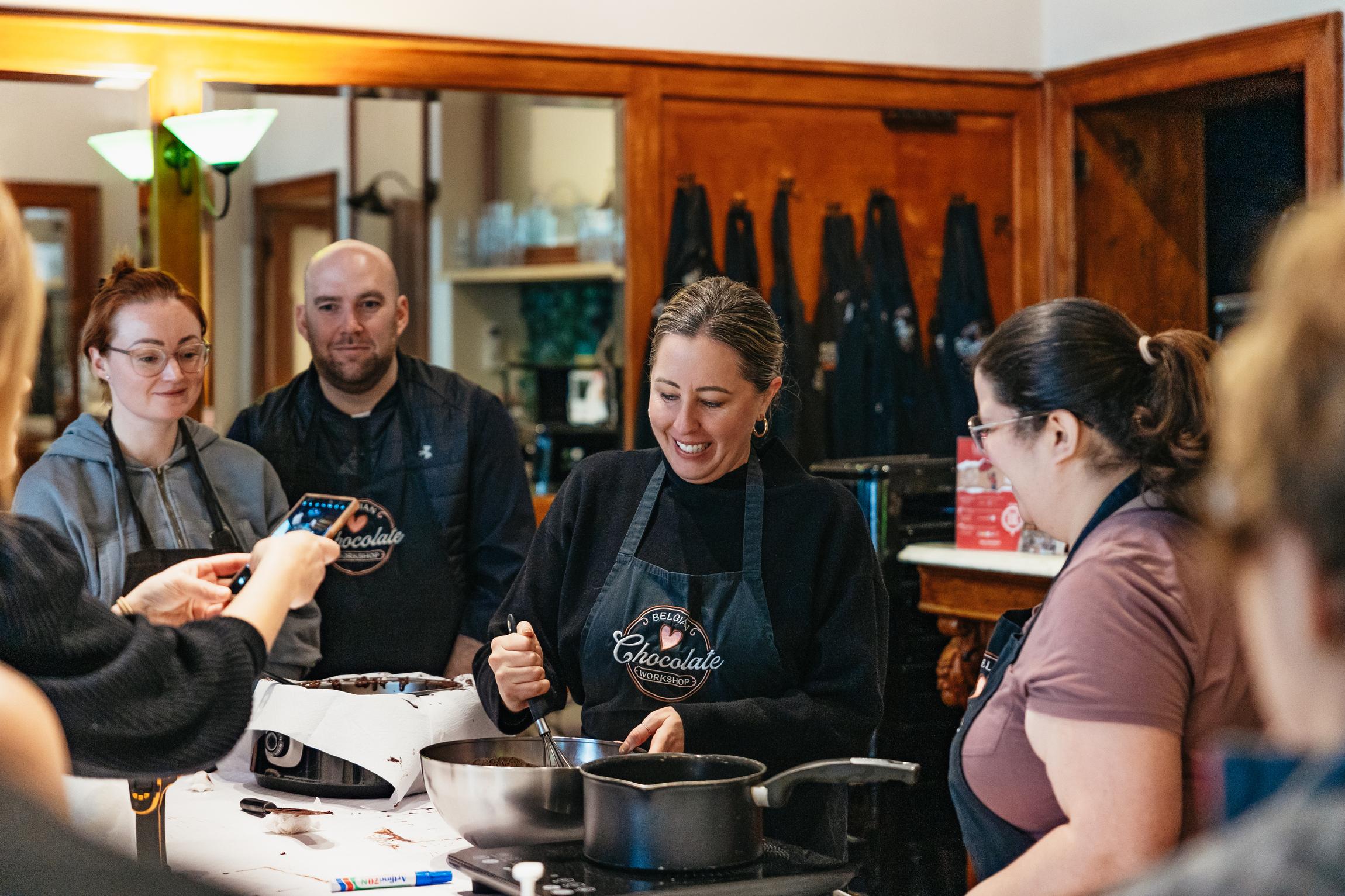
Craft your own Belgian chocolates in a working factory with certified artisan chocolatiers
Reserve
2 hr 30 min
Craft over 30 handmade Belgian chocolates in this hands-on 2.5-hour praline and mendiant making class.
ReservePrices from verified partners. Availability updates in real time at checkout. Free cancellation policies apply where shown.
The landmarks, rooms, and views travelers on this tour remember — all visible on a single visit.
Discover the history of cocoa cultivation and global trade practices.
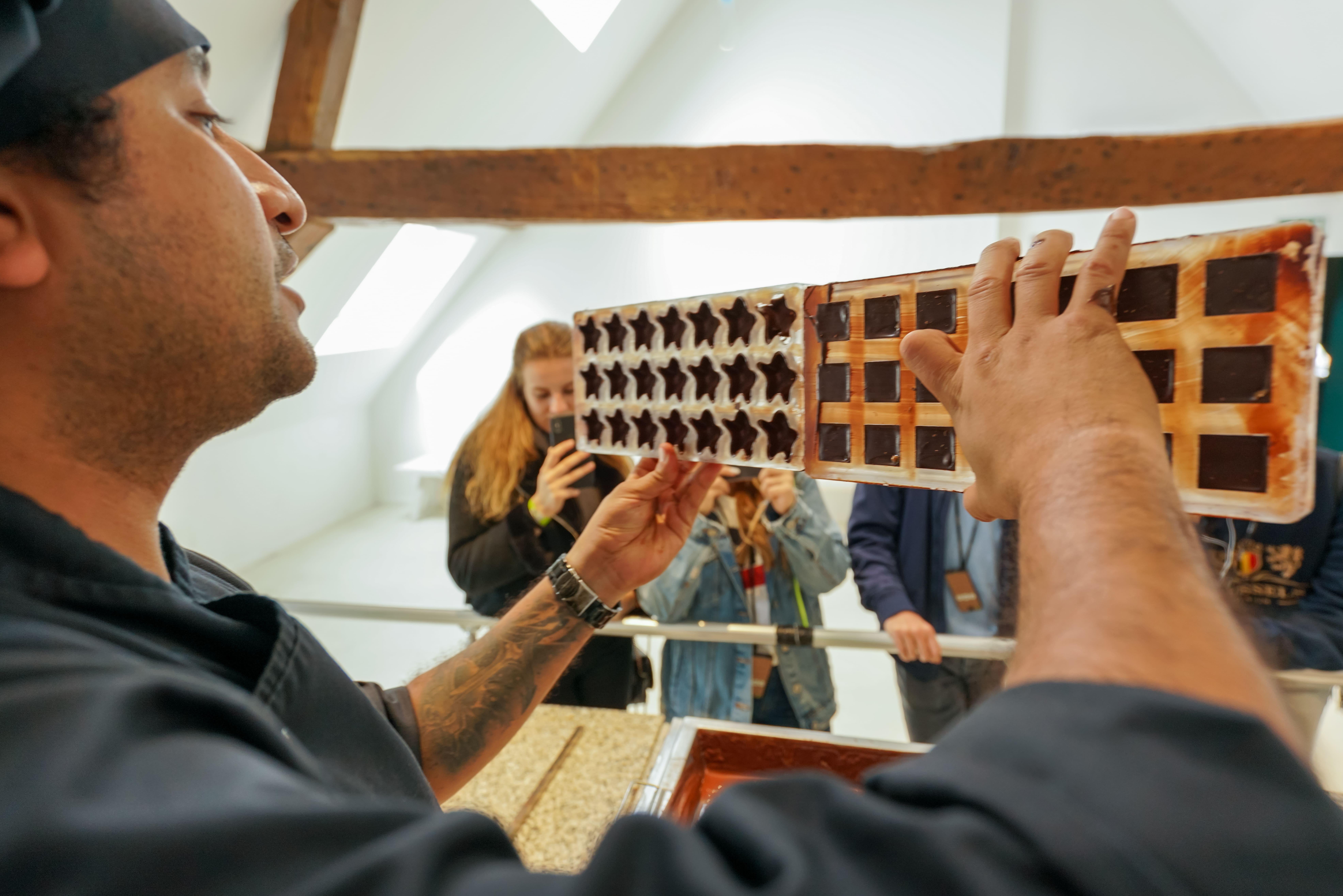
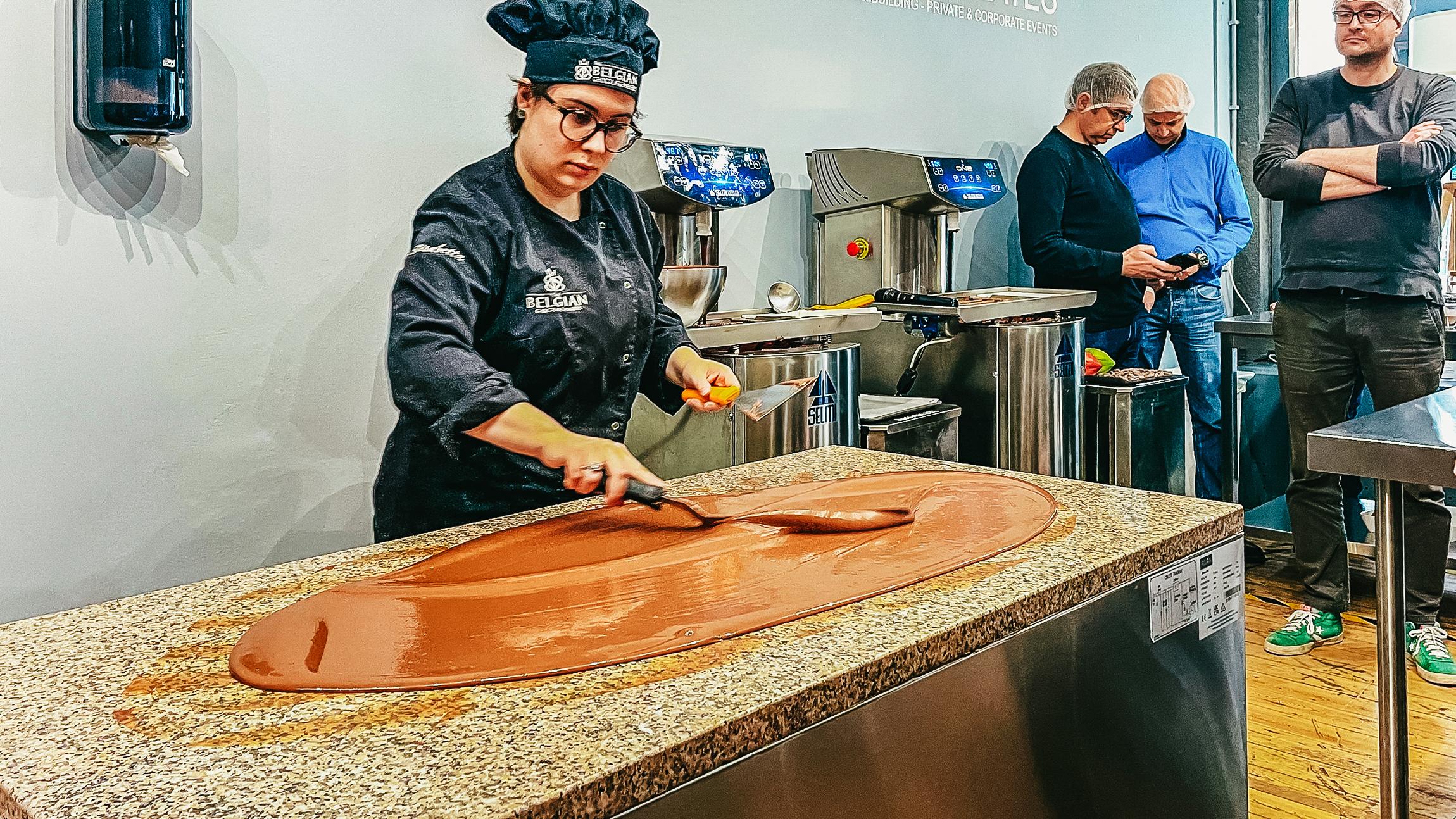
Witness live demonstrations of professional chocolatiers crafting Belgian Chocolate.
Learn about the invention of the iconic Belgian praline.
View antique machinery once used in the chocolate manufacturing industry.
The Choco-Story museum offers a deep dive into the history of cocoa, while the workshop provides a practical, craft-based experience; most visitors find the museum ideal for cultural context and the workshop superior for personal engagement with brussels chocolate factory tour tours.
| Feature | Top pick Choco-Story Museum | Belgian Chocolate Workshop |
|---|---|---|
Content Focus |
History and production education | Culinary technique and creation |
Active Participation |
Observational and self-guided | Direct hands-on production |
Learning Style |
Visual and audio exhibits | Guided demonstration and practice |
Skill Level Required |
None required | Beginner-friendly |
Suitability for Children |
High for all ages | Best for ages eight and up |
| See tickets → |
Verdict: Choose the museum for an immersive historical brussels chocolate factory tour tour, or book the workshop if you prefer to actively shape your own brussels chocolate factory tour tickets.
Choose your ticket, select your date, and reserve in under two minutes. Secure checkout handled by our verified partner.
Instant confirmation by email, with a mobile voucher you can save offline. No printing, no queuing at a collection desk.
Arrive at the entrance, show your voucher on your phone, and walk in. Most tickets include priority or skip-the-line access.
Practical details for your visit straight from our verified partners — hours, access, rules, and how to get there.
Rue de l'Etuve 41
Main museum entrance
Use tram or metro lines to reach Central Station.
Casual attire is recommended for this brussels chocolate factory tour. Comfortable shoes are suggested for walking through the museum galleries.
Large backpacks and bulky items are not permitted inside the exhibition space. Security checks may be performed upon entry to the Belgian Chocolate museum.
Personal photography is allowed throughout the museum, though flash usage is discouraged to protect displays. Please respect other visitors during your brussels chocolate factory tour.
The facility is equipped with ramps and elevator access to accommodate visitors with mobility requirements. Please notify staff upon arrival for assistance with the brussels chocolate factory tour route.
The museum is suitable for families and provides educational content on the production of Belgian Chocolate. Children under the age of 12 should be accompanied by an adult during the brussels chocolate factory tour.
Consumption of outside food and drink is prohibited inside the museum. Your brussels chocolate factory tour ticket includes tastings provided at designated stations.
Best time to go, insider tips, nearby landmarks, and the cancellation fine print — flip through to skim what matters to you.
How crowds, weather, and events shift across the year.
Pleasant weather and fewer crowds in September and October.
Small details that turn a good visit into a great one.
Utilize the provided audio guide to maximize your understanding of the chocolate making process.
Arriving between 10:00–15:00 helps avoid afternoon crowds and ensures a relaxed experience.
Non-bookable sights within a short walk — free to visit, easy to pair.
Historical central square featuring ornate guildhalls.
Iconic bronze fountain sculpture located nearby.
Extensive collection of classical and modern art.
Flexible, no hidden fees.
The entrance fee is 14 EUR. Cancellations must be made within the provider's specific window to qualify for a refund.
Hand-picked options within walking distance — pick a district for vibe, or a specific hotel for convenience.
Prestigious hotel near the city center.
Convenient location for museum visitors.
Affordable lodging in the historic district.
Belgium produces 220,000 tonnes of chocolate annually, yet the country's population numbers barely twelve million. That industrial scale began in 1857, when Jean Neuhaus opened his pharmacy on the Galeries Royales Saint-Hubert and coated bitter medicine in cocoa. His grandson Jules invented the praline in 1912, encasing ganache in a thin chocolate shell and launching Belgium's reputation for filled confections. By 1925, Brussels counted more than two thousand chocolatiers, their shop windows displaying hand-painted bonbons that doubled as edible sculpture. The Choco-Story Brussels museum occupies a seventeenth-century townhouse on Rue de l'Etuve, a pedestrian lane that links the Grand Place to the Manneken Pis. Inside, the permanent collection traces cacao's journey from Olmec fermentation pits to Aztec ceremonial vessels, then across the Atlantic to Spanish convents and Belgian ateliers. Glass cases hold colonial-era grinding stones, Art Nouveau moulds, and vintage Côte d'Or advertisements. The audio guide runs forty minutes and covers tempering chemistry, conching machinery, and the guild system that protected recipes as trade secrets. Afternoon demonstrations show a maître chocolatier hand-dipping pralines and piping gianduja, techniques unchanged since the Belle Époque. Brussels chocolate factory tours extend the museum experience with bean-to-bar workshops held in a basement atelier fitted with granite slabs and copper kettles. Participants roast Venezuelan criollo beans, winnow the nibs, and grind them into liquor using a traditional melangeur. The process takes ninety minutes and yields a single bar stamped with the city's iris seal. Separate praline-making sessions teach ganache emulsion and shell moulding, skills that require precise temperature control and a steady hand. These hands-on classes run daily and accommodate groups of twelve, booking several weeks ahead during school holidays and December's Christmas market season. The museum sits equidistant from the Royal Palace and the Sablon antiques quarter, making it a natural midpoint on walking routes through the Îlot Sacré. Its location inside the UNESCO-protected historic center means foot traffic peaks between eleven and three, when day-trippers from Bruges and Ghent converge on the surrounding waffle stands and beer cafés. The building itself survived both world wars and the 1695 French bombardment, its Baroque facade now sandwiched between a lace shop and a frites kiosk.
"Jules Neuhaus invented the praline in 1912, encasing ganache in a thin chocolate shell and launching Belgium's reputation for filled confections."
A step-by-step walkthrough of the visit — what you'll see, how long each stage takes, and the details that matter.
You descend from the cobbled expanse of the Grand Place, passing guild houses with gilded pediments, and turn onto Rue de l'Etuve at the corner statue of Everard 't Serclaes. The museum entrance sits thirty metres ahead, marked by a hanging cocoa-pod sign. Inside, you collect an audio handset and climb a narrow staircase to the first-floor gallery, where backlit panels explain Mayan xocoatl rituals and the Spanish introduction of sugar. The second floor holds industrial-age equipment: a Victorian conching drum, enameled Callebaut tins, and a mechanical enrober that once coated five hundred pralines per hour. You follow the audio guide down to the basement demonstration kitchen, arriving as the chocolatier pours tempered couverture onto a marble slab. He works the mass with a palette knife, folding and spreading until the sheen turns matte, then pipes hazelnut ganache into polished moulds. The room smells of burnt sugar and roasted nibs. After the demonstration, you receive three pralines on a wooden tray—salted caramel, Piedmont gianduja, and a dark shell filled with Lambic beer ganache. If you've booked the bean-to-bar workshop, you return an hour later and don a white apron. The instructor distributes Venezuelan criollo beans, still warm from the roaster, and demonstrates winnowing by tossing the nibs in a wicker basket. You grind your portion in a stone melangeur, adding cocoa butter and cane sugar as the paste smooths. Forty minutes of refining yields a single bar, which you wrap in wax paper and carry out onto the lamplit street.
The museum is open daily from 10:00–17:00. Please plan your visit accordingly.
Yes, the museum is fully wheelchair accessible for all guests.
Items such as large luggage, alcohol, and sharp objects are prohibited.
Yes, personal photography is permitted throughout the facility.
Arriving between 10:00–15:00 is recommended to avoid afternoon crowds.
Yes, the 14 EUR entrance fee includes museum entry, audio guide, and tastings.
Children are welcome and will enjoy the interactive displays.
The site is located at Rue de l'Etuve 41, easily reached from Central Station.
Yes, you can easily visit Grand Place or the Manneken Pis nearby.